

The spark which set Europe (and the rest of the world) alight was the assassination of the Austrian Archduke Franz Ferdinand by a Serb nationalist on 28th June, 1914. Austria blamed Serbia, which then looked to Russia for support. Germany declared war on Russia in support of Austria and on France because of her alliance with Russia. Britain declared war on Germany in support of Belgium and France, and on Turkey because of her alliance with Germany. Britain declared war on Germany on August 4th 1914, but rivalry between the two countries had been growing for years. Germany resented Britain’s control of the world’s oceans and markets, while Britain increasingly viewed a Europe dominated by a powerful and aggressive Germany as a threat which must be contained.
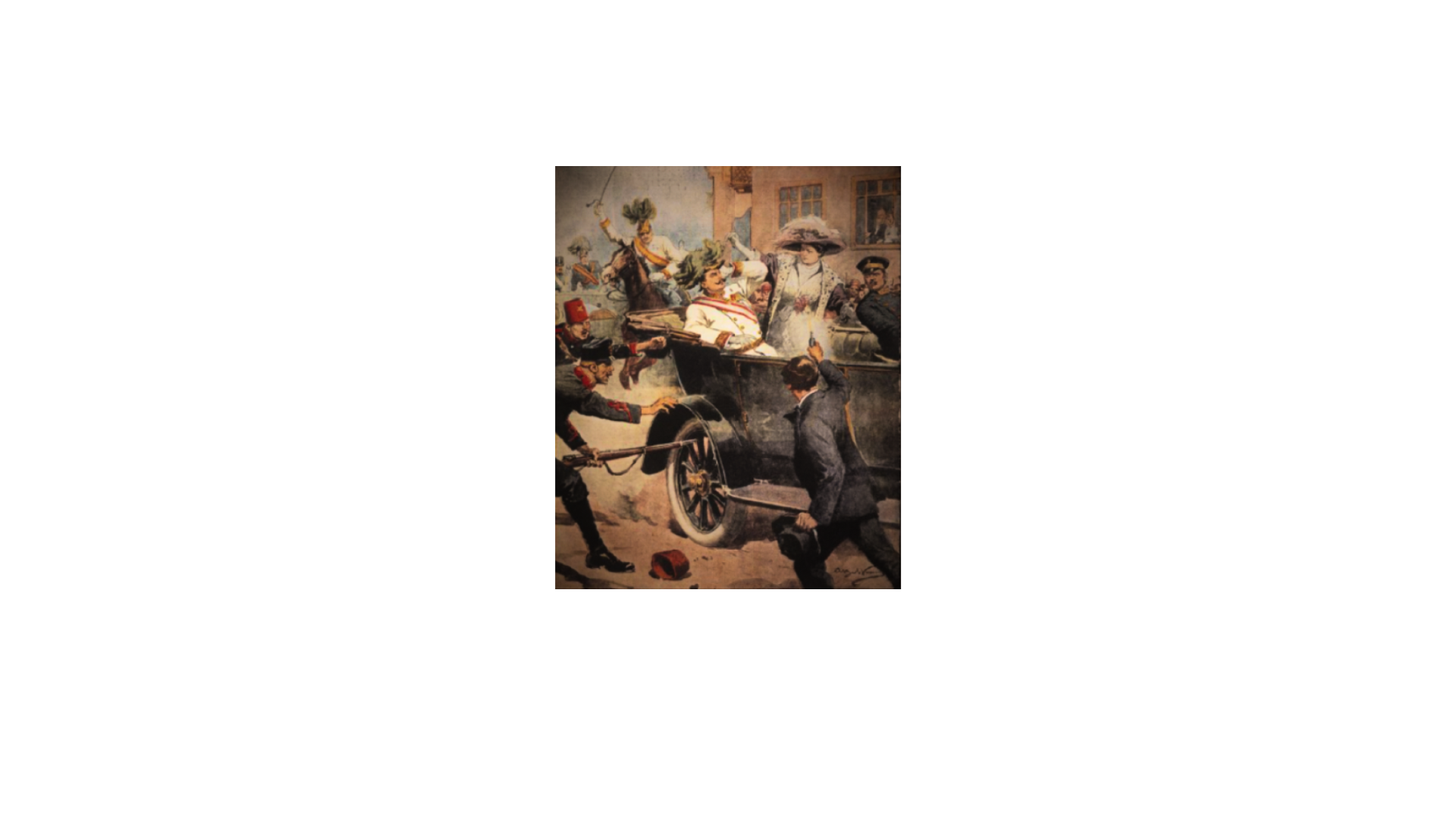
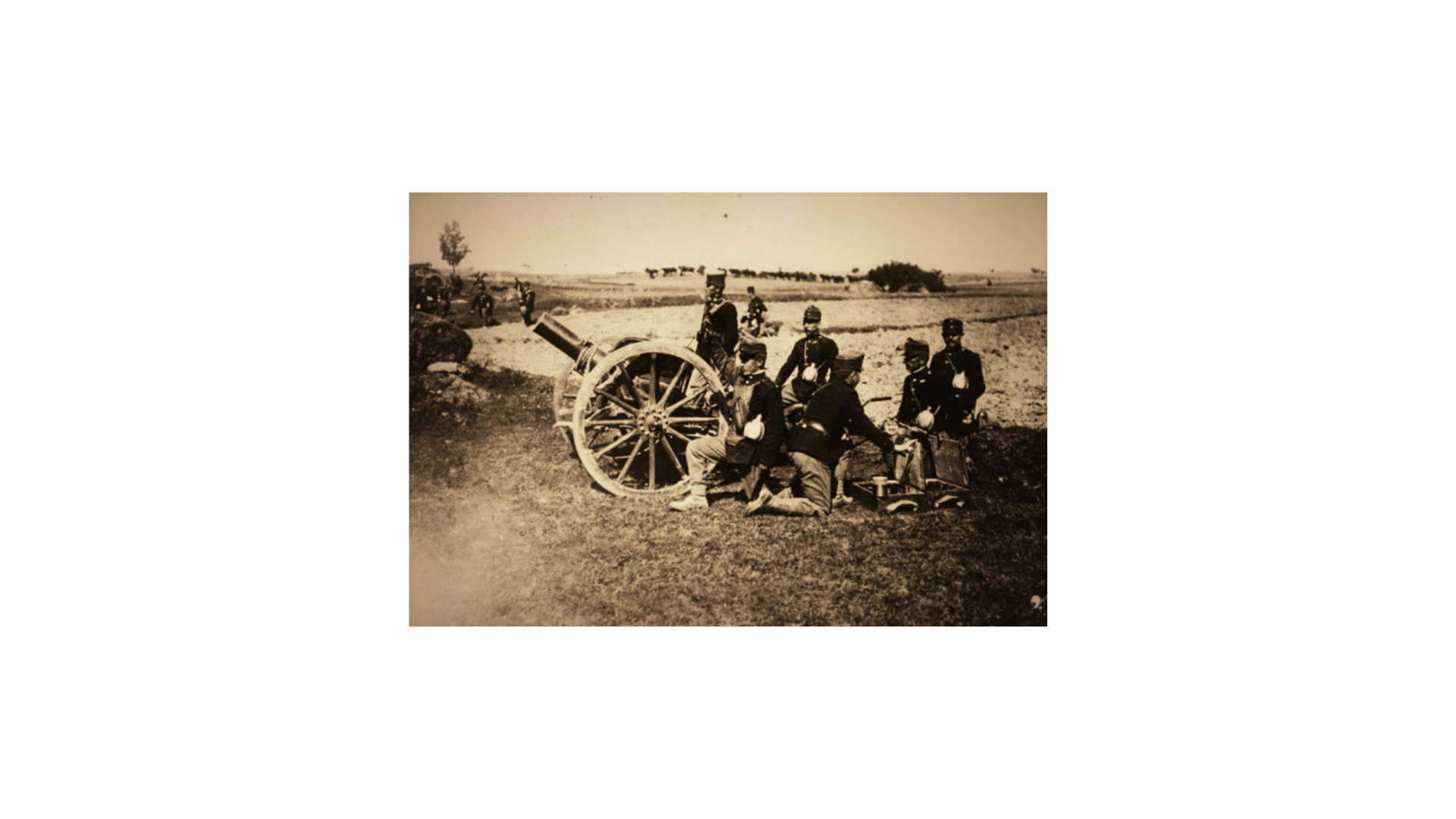
The Eastern Front of WW1 was a crucial theater of war that unfolded between 1914 and 1918. It pitted the Central Powers, mainly Germany and Austria-Hungary, against the Allies, with Russia as a significant participant. The front stretched over a vast expanse of Eastern Europe, encompassing regions like Poland, Galicia, and the Balkans. Characterized by large-scale offensives and counteroffensives, the Eastern Front witnessed intense battles that resulted in staggering casualties. Both sides engaged in trench warfare, leading to a devastating and protracted conflict. The Eastern Front also saw the implementation of new military tactics and weaponry, with poison gas and tanks being introduced. However, the Russian Revolution of 1917 significantly impacted the war's trajectory. The Bolsheviks' rise to power in Russia led to their withdrawal from the conflict, enabling Germany to transfer forces to the Western Front. Despite continuing hostilities, the Central Powers eventually gained the upper hand in the region, reshaping the balance of power on the Eastern Front until the war's conclusion in 1918.!
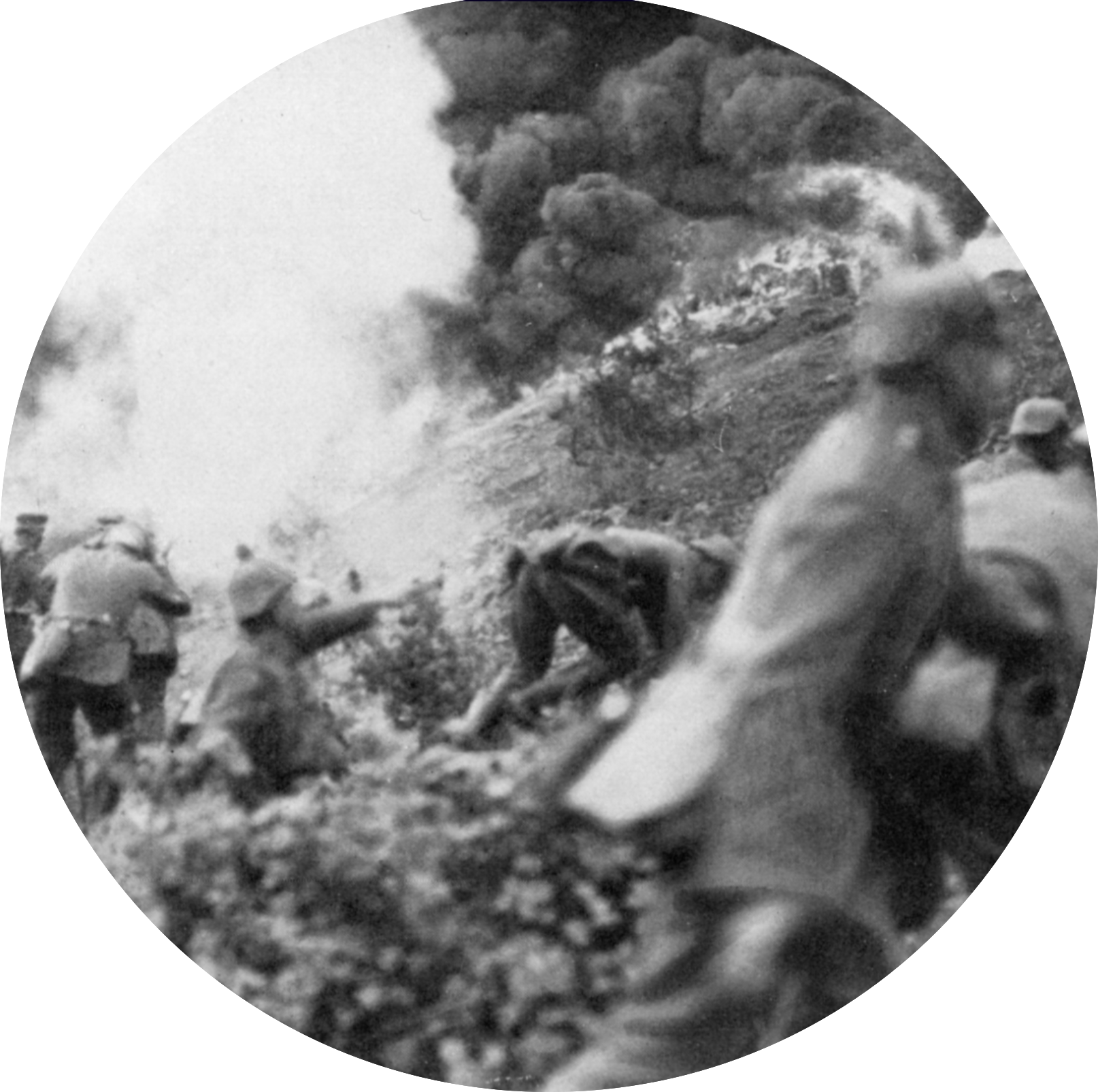
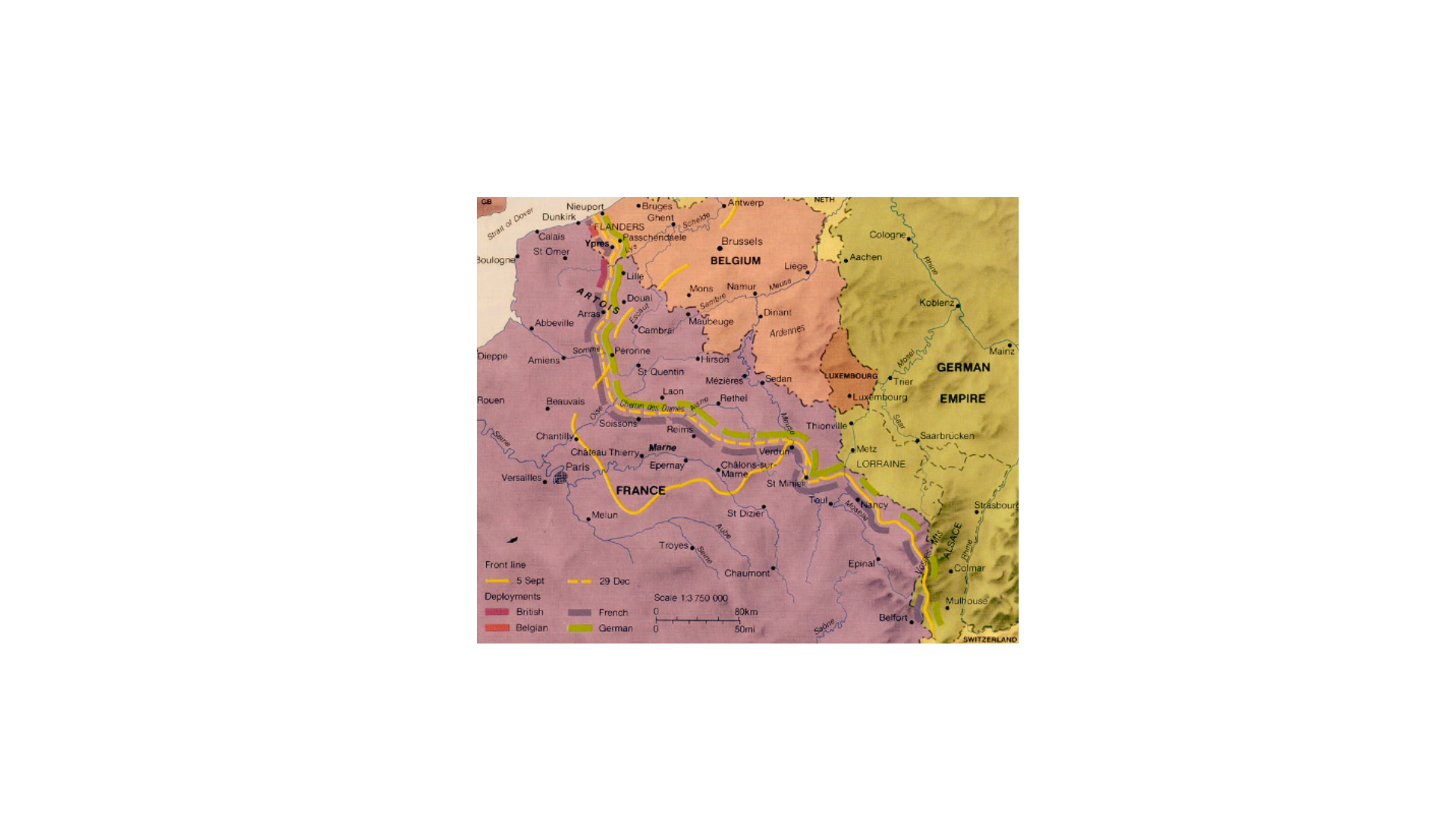
The Western Front in WW1 was a crucial battleground stretching across France and Belgium from 1914 to 1918. It witnessed intense trench warfare between the Allied Powers, led by France, the United Kingdom, and later the United States, and the Central Powers, primarily Germany. The front's horrific battles, like the Somme and Verdun, resulted in staggering casualties and minimal territorial gains. New weapons, such as machine guns and poison gas, escalated the brutality of the conflict. The entrenched warfare and deadly stalemate only broke in 1918 during the Hundred Days Offensive when the Allies launched successful offensives, aided by fresh American troops, leading to the Central Powers' defeat and the eventual end of the war. The Western Front's profound impact on history remains a solemn reminder of the cost of war.
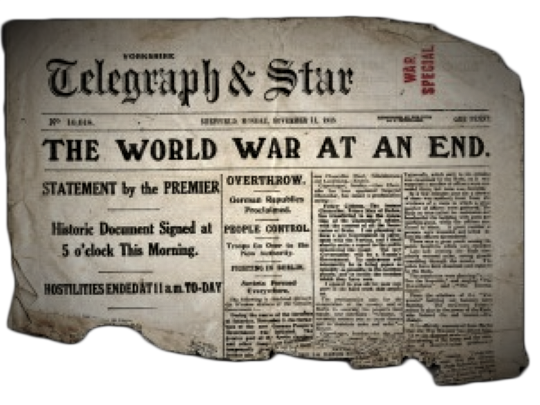
The aftermath of WW1 was marked by profound and far-reaching consequences that shaped the 20th century. The Treaty of Versailles, signed in 1919, imposed harsh penalties on Germany, holding it responsible for the war and demanding reparations, leading to economic hardships and political instability in the country. The war's toll on human life was devastating, with millions of soldiers and civilians dead or injured, leaving scars on entire generations and reshaping societies. The collapse of empires, such as the Ottoman, Austro-Hungarian, and Russian, led to the emergence of new nations and geopolitical shifts. Economies were ravaged, and the Great Depression of the 1930s exacerbated the global economic downturn. Political turmoil and social discontent paved the way for authoritarian regimes and extremist ideologies. The League of Nations was formed in an attempt to prevent future conflicts, but its shortcomings were exposed, and it failed to prevent the outbreak of World War II. The aftermath of WW1 laid the groundwork for subsequent geopolitical struggles, economic challenges, and social transformations, making it a pivotal period in modern history.